
Seedlings: a new generation
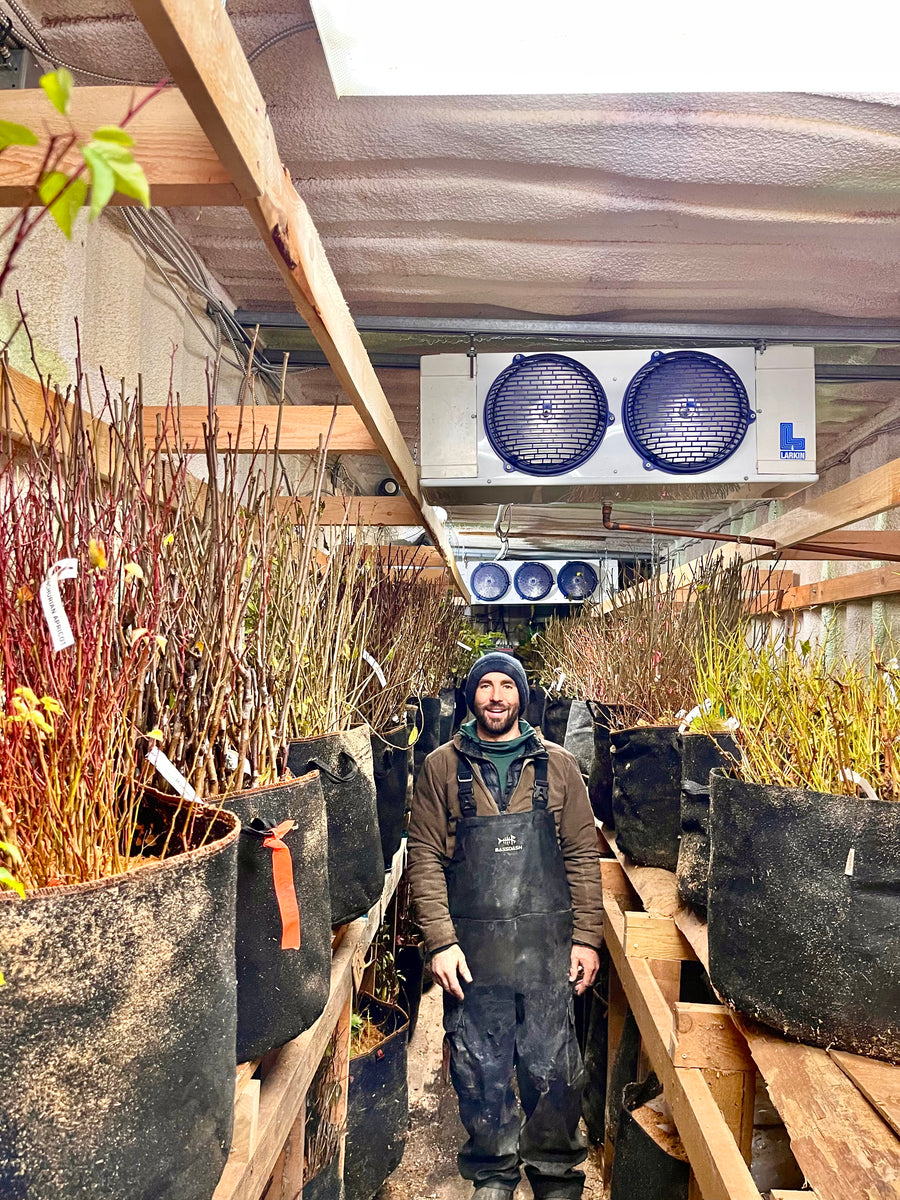
A seedling is a plant grown from seed. Each one is a new individual, with its own combination of traits. Among fruit and nut crops, siblings can vary in growth, harvest timing and the qualities of their fruit or nuts.
That variation is part of what makes planting seedlings interesting. You can establish a diverse group, watch how the plants respond to your land, and learn which individuals you value most. Some may earn a place for their harvest, others for their vigour, timing or role in the planting. Keep labels and notes so a promising tree remains more than “the good one near the fence.”
A named seed parent is useful information about where the seed came from. On a listing such as Chestnut ‘Gellatly’ Seedling, the name describes the source stated on that listing. It does not mean that every seedling will grow or crop identically to that parent. Where the pollen parent is unknown, we leave that part of the story open.
Cuttings and divisions: carrying a selection forward
A cutting starts as a piece of a parent plant that forms roots. A division separates an established plant into pieces that can grow independently. These methods carry the selected plant forward without starting a new seedling generation.
They are useful when a particular flavour, harvest season or growth habit is the reason for choosing a plant. Growing conditions still matter: the same selection can perform differently in two gardens. Named stock gives you a selection to work with, rather than a promise that every site will produce the same result.
For pollination, several cuttings or divisions of one selection still count as the same variety. If a crop needs a different partner, increasing the number of that one selection does not provide it. Our Pollination Made Simple guide explains what to look for.

Grafted plants: a variety and a rootstock
Grafting joins a selected variety to a compatible rootstock. The variety above the join produces the fruit you chose. The rooted portion below helps determine how the tree grows, including its eventual size, anchorage and response to the site. The combination matters when planning space and long-term care. University of Maine’s rootstock overview explains these relationships.
A grafted tree can have a seedling rootstock while still carrying a named cultivar above the graft. “Seedling rootstock” describes the roots; it does not turn the fruiting variety into a seedling. Budding is another form of grafting, using a bud of the desired selection. Mississippi State Extension illustrates the parts of a grafted plant.
Find the graft before planting and keep its position in mind during later care. Shoots arising below it belong to the rootstock. If you are unsure which growth to keep, send us a clear photograph before cutting.
Reading our plant listings
Look at the common name, cultivar or seed source, propagation method and rootstock together. Then check current height and age separately from mature size. A taller young plant is not automatically older, and the plant’s height at dispatch is not its eventual size.
There is room for both selected cultivars and new seedlings in a food forest. Named selections bring particular qualities you want to include; seedlings bring variety and another generation to observe. Choose the mix that suits the space, time and curiosity you want to put into your planting.