
Skip to product information
1 of 3

Eastern Red Bud (Cercis canadensis)

Eastern Red Bud (Cercis canadensis)

Regular price $20.00 CAD
Regular price Sale price $20.00 CAD
Sale Sold out
Shipping calculated at checkout.
Size

Why We Grow It

We grow Redbud because it provides unmatched early-season beauty, strong pollinator support, and reliable performance in cold climates. Its dramatic spring flowers make it a focal point in any landscape, while its toughness and adaptability allow it to thrive even in challenging soils. As a small, easy-to-maintain tree with high ecological value, Redbud adds structure, color, and seasonal interest to food forests, homesteads, and northern gardens.

How the Plant Grows

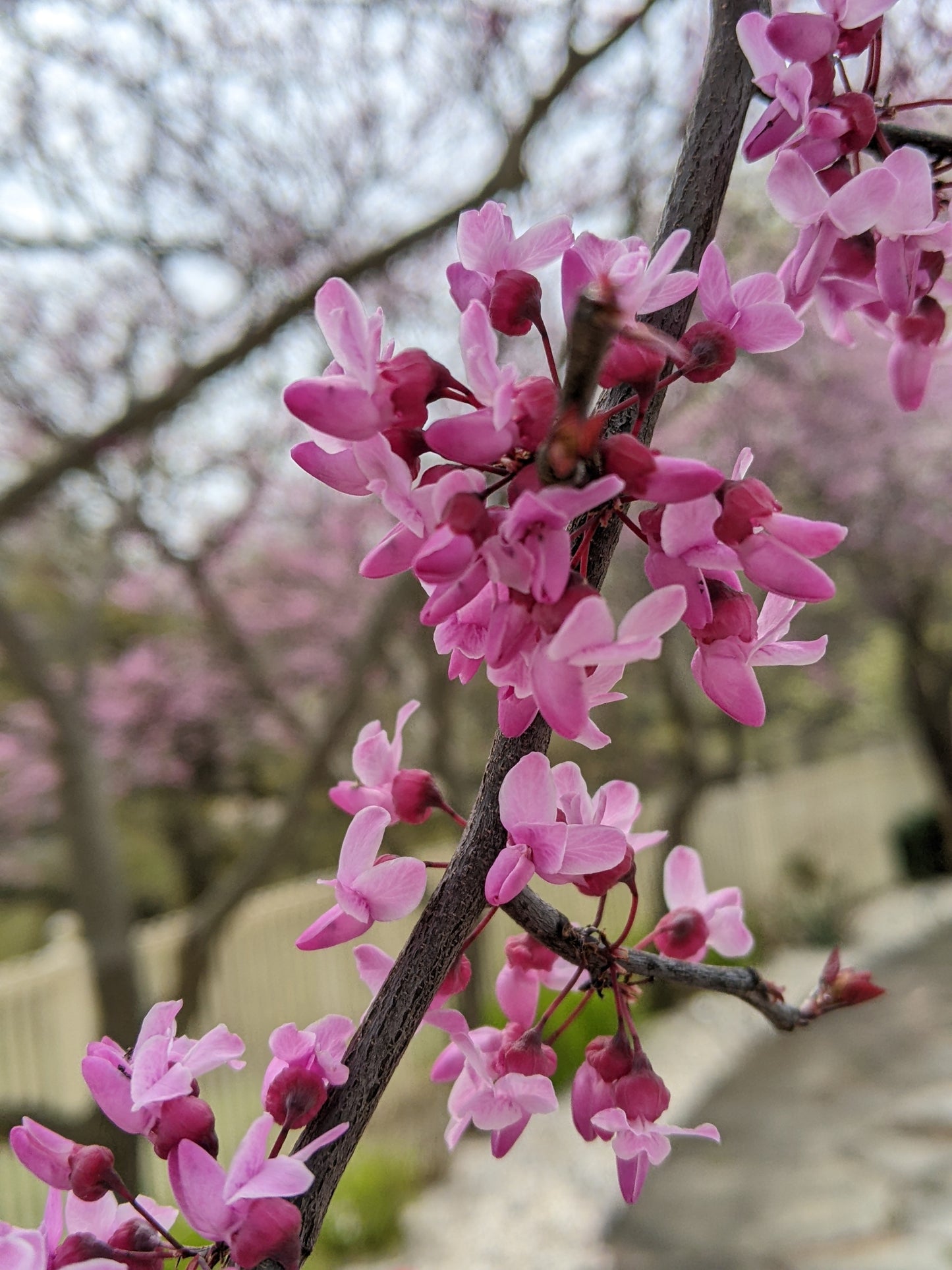
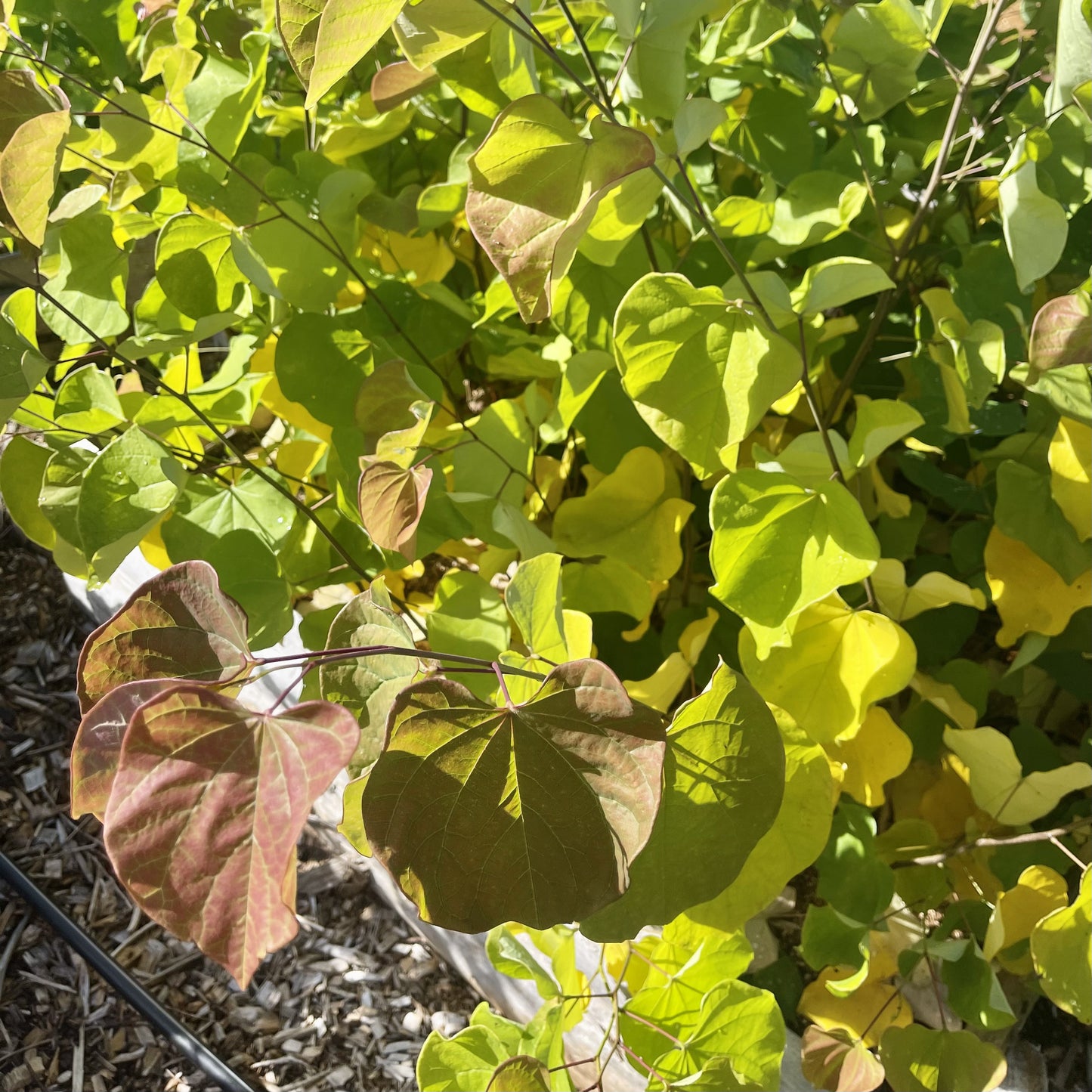
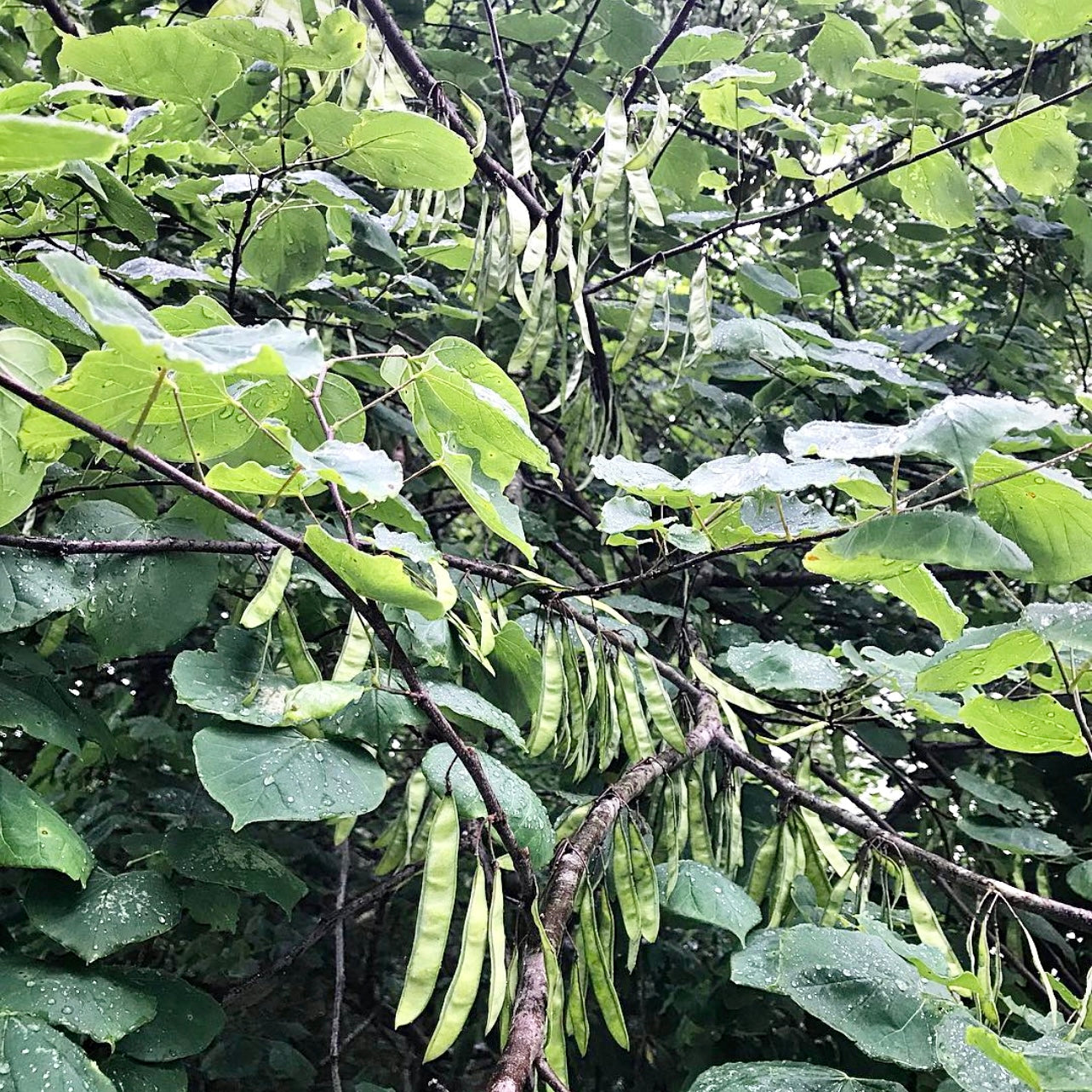
Redbud grows as a small, spreading ornamental tree with a broad, rounded crown and a strong central trunk. In early spring, masses of pink to magenta flowers emerge along branches and even the main stem before leaves appear. Through summer, the tree holds deep green, heart-shaped leaves and maintains a balanced, elegant form. Growth is moderate, with the tree becoming increasingly drought tolerant as the root system matures. Redbud adapts well to mixed plantings, woodland edges, and partially shaded environments.

Plant Size

Size at Maturity- 20–30 ft tall, 20–25 ft wide

Current Size- 2 year old seedling 1'-2'

Additional Info

Native to eastern and central North America; flowers appear directly on trunks and older wood (cauliflory), creating dramatic early-spring displays. Highly attractive to native bees and early-season pollinators. Leaves are heart-shaped and turn golden yellow in autumn.

Redbud is a stunning, early-flowering ornamental tree known for its brilliant rose-pink blossoms that emerge on bare branches in mid-spring. As one of the first trees to flower after winter, Redbud brings dramatic color and pollinator activity to the landscape long before most shrubs leaf out. Cercis canadensis is hardy, adaptable, and thrives in full sun to partial shade, developing a graceful, rounded canopy and heart-shaped leaves that turn yellow in fall. Its combination of ornamental beauty, cold-climate tolerance, and ecological value makes Redbud a standout choice for northern homesteads and food-forest edges.

View full details
  • Water

    Low to moderate; drought tolerant once established

  • Pollination

    Self-fertile; does not require another redbud for flowering or seed production

  • Soil

    Prefers well-drained loam; tolerates clay, sand, and shallow soils; dislikes waterlogged or chronically wet sites

  • Years to Bear

    3–5 years to first blooms

  • Hardiness

    Zone 4–8 (–34°C to –12°C)

  • Solar

    Full sun to partial shade
    (More sun = heavier flowering)