Skip to product information
1 of 2

Nettles (Urtica dioica)

Nettles (Urtica dioica)

Regular price $10.00 CAD
Regular price Sale price $10.00 CAD
Sale Sold out
Shipping calculated at checkout.
Size

Why We Grow It

We grow nettles for their unmatched nutritional value, powerful medicinal uses, and easy cultivation in northern climates. As one of the most nutrient-dense plants available, nettles provide a dependable perennial green each spring while also enriching the soil and supporting local wildlife. Their versatility—food, tea, medicine, compost activator, even natural fiber—makes them an essential plant for homesteads, permaculture gardens, and regenerative landscapes. Especially useful in farm based fertilizers.

How the Plant Grows

Nettles emerge early in spring from overwintering rhizomes, forming tall, upright stems with serrated leaves. Plants spread gradually through underground runners, forming dense patches over time if unmanaged. Growth is fast in nutrient-rich soil, and young shoots are harvested before flowering for the best flavor and tenderness. Plants die back to the ground after frost and return strongly each year. Regular cutting or harvesting encourages continual new growth.

Plant Size

Size at Maturity- Herbaceous Layer. 3–7 ft tall, 2–3 ft wide (spreads by rhizomes)

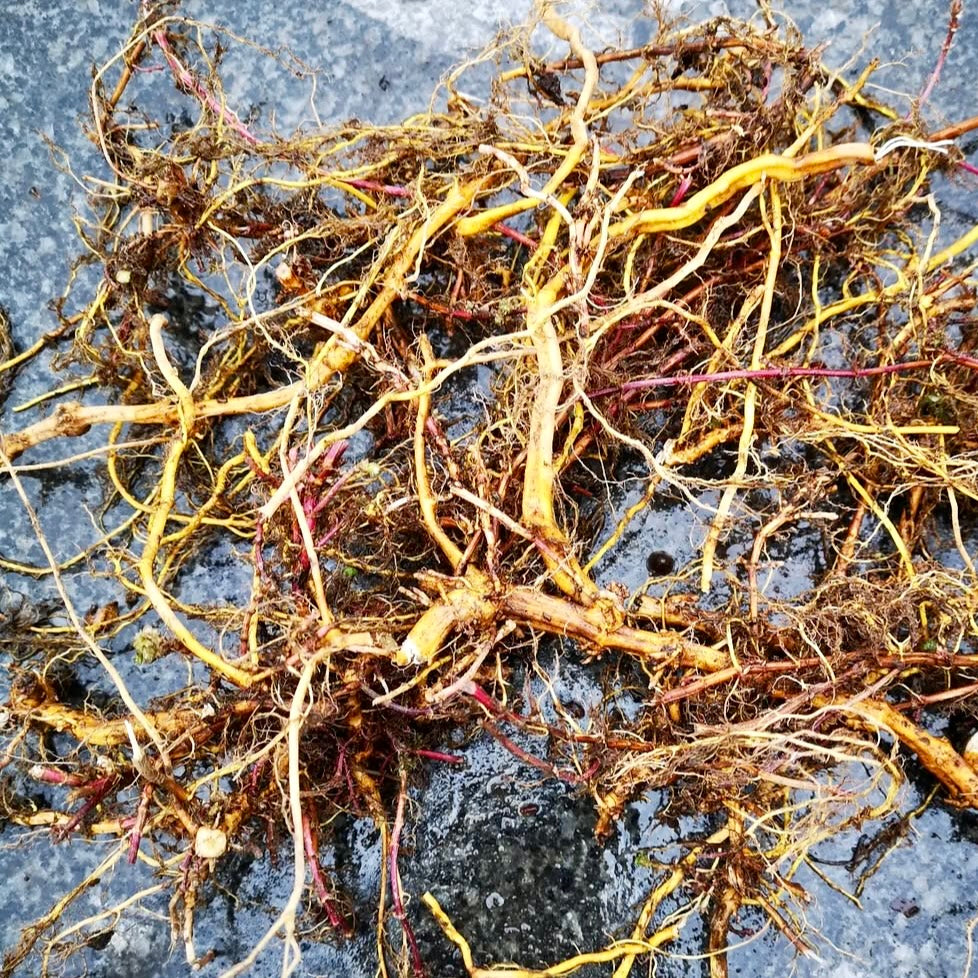
Current Size- root crown or root cutting

Additional Info

A traditional medicinal plant high in minerals, protein, and vitamins. Young spring shoots are edible and highly nutritious; leaves are commonly used for tea, soups, and herbal tonics. Supports biodiversity and beneficial insects; used historically as a natural fiber plant.

Stinging Nettle is a highly nutritious, cold-hardy perennial herb valued for its edible spring shoots, medicinal properties, and ecological benefits. Native across much of the Northern Hemisphere, nettles thrive in cool climates and rich soils, producing abundant leafy growth ideal for teas, soups, pesto, and natural remedies. Once established, nettles return reliably each year and serve as a powerhouse plant for soil health, biodiversity, and homestead self-sufficiency.

View full details
  • Water

    Moderate; prefers consistent moisture for lush growth but tolerates short dry spells

  • Pollination

    Nettle spreads vegetatively and by wind-pollinated flowers

  • Soil

    Prefers rich, moist, loamy soils; thrives in compost-rich ground; tolerates clay and marginal soils; avoid very dry, sandy sites

  • Years to Bear

    Harvestable in the first year

  • Hardiness

    Zones 3-9, tolerating temperatures as low as -40°C (-40°F)

  • Solar

    Full sun to full shade
    (Highest yields in full sun)