

Skip to product information
1 of 2

Apricot 'Tilton'

Apricot 'Tilton'

Cultivar & Origin

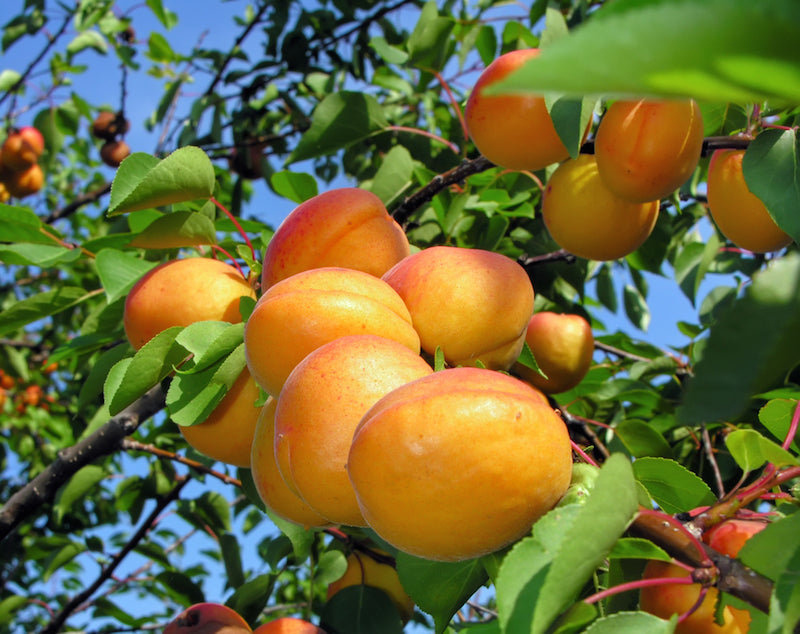
Tilton is a long-established apricot used for canning and drying as well as fresh eating. Its orange freestone flesh separates readily from the pit, useful when preparing substantial preserving batches. It is generally self-fruitful. Our trees are grafted on Myrobalan rootstock.

Plant highlights
Regular price $0.00 CAD
Regular price Sale price $0.00 CAD
Sale Sold out
Shipping calculated at checkout.

Why We Grow It

Tilton is a classic preserving apricot with freestone orange flesh that is straightforward to halve for drying or canning. That kitchen usefulness is why it belongs in a food-producing orchard. A crop can supply fresh eating first, with the rest going into jars or drying trays for winter.

How the Plant Grows

Our Myrobalan-grafted stock is managed as a semi-standard tree. Develop well-spaced scaffold branches and an open canopy, thin crowded fruit and maintain a height you can harvest. Final size depends on cultivar, site and pruning. Avoid waterlogged soil.

Plant Size

Size at Maturity- commonly 15–25 ft tall and wide before size-control pruning.

Current Size-

Additional Info

Harvest for flavour, not colour alone. Remove damaged fruit and maintain airflow to reduce disease pressure. Apricot kernels are not a food recommendation.

Tilton

A tree-ripened apricot is one of the pleasures of a home orchard: fragrant, tender and full of summer flavour. Eat them fresh while they are ready, then turn the extra fruit into jam, dried apricots or freezer supplies. We love having a crop that is both a seasonal treat and something we can put away to enjoy long after the harvest.
View full details
  • Water

    Steady moisture during establishment and fruit growth.

  • Pollination

    Many apricots crop alone, but a compatible second tree can improve set; see cultivar note.

  • Soil

    Fertile, well-drained soil.

  • Years to Bear

    Often 3–5 years after planting grafted stock.

  • Hardiness

    Generally suited to sheltered zone 5-type sites; blossom frost is a separate risk from winter survival.

  • Solar

    Full sun; avoid low frost pockets.