Passer aux informations produits
1 de 2

Chestnut 'Gellatly' Seedling

Chestnut 'Gellatly' Seedling

Cultivar & Origin

This seed comes from the Gellatly chestnut collection in British Columbia, with Chinese and European chestnut ancestry recorded for the line. The family’s nut planting began in 1905 and produced named selections including Layeroka. These seedlings continue that established orchard population; the collection’s cultivar history describes its breeding background rather than identifying every seed parent in this batch.

Plant highlights
Prix habituel $20.00 CAD
Prix habituel Prix promotionnel $20.00 CAD
En vente Épuisé
Frais d'expédition calculés à l'étape de paiement.

Pourquoi nous le cultivons

The Gellatly chestnuts connect us to a rare Okanagan nut planting whose beginnings reach back to 1905. Names such as Layeroka came out of that long breeding effort. These seedlings carry that heritage forward as trees for food, shade and further selection, with a living orchard history behind the seed.

Comment pousse la plante

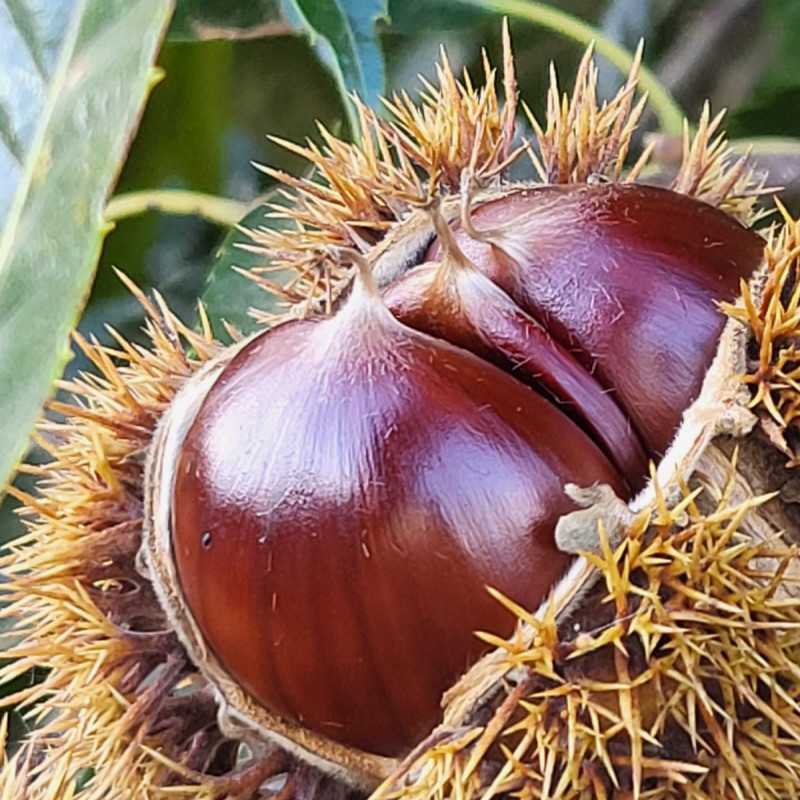
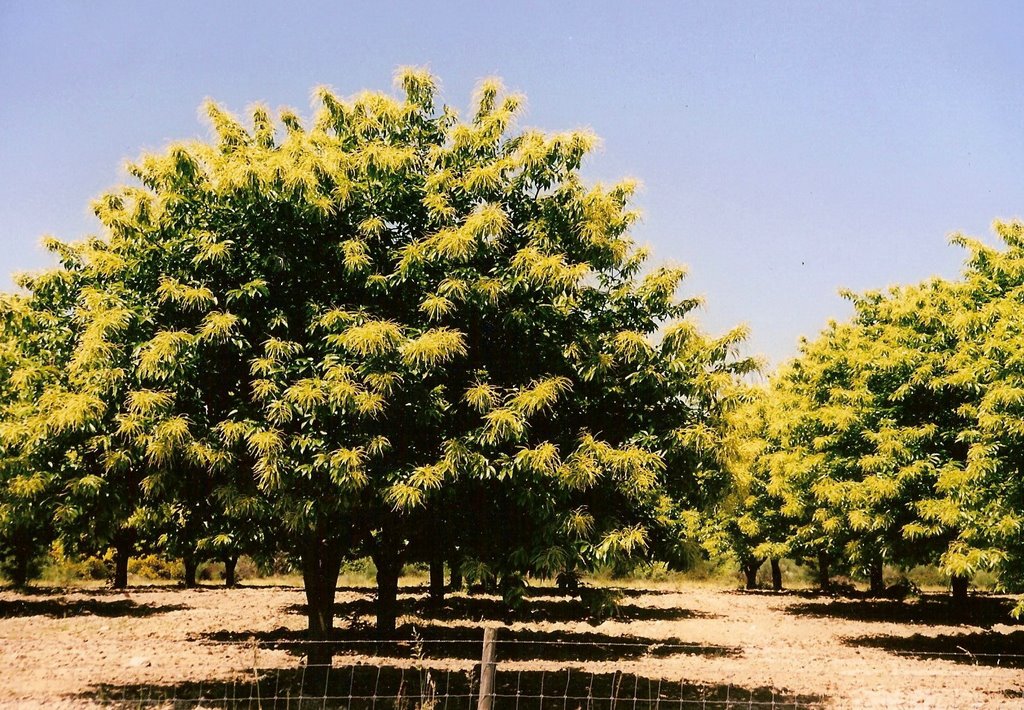
Chestnut trees grow with a strong, upright trunk and a broad, spreading canopy, creating shade for understory plants. The more chinese the heritage the more spreading the tree. They can even have multiple trunks and look like a shrub for the first decade. They bloom in late spring with long catkins, which attract pollinators, followed by the development of spiny burrs that mature in autumn, each containing 1-3 nuts. In agroforestry systems, strategic planting on berms or using the pit-and-mound technique enhances drainage and tree health, ensuring consistent yields. Over time, the trees develop into majestic, long-lived providers of food, timber, and ecological benefits.

Taille de la plante

Taille à maturité Canopy Layer. Grows to 50–65 ft tall with a spread of 30+ ft, depending on the species and growing conditions.

Taille actuelle

Informations complémentaires

Chestnuts have been a key food source for countless cultures across the temperate world, cherished for their ability to produce starchy, nutritious nuts. These nuts are consumed raw, roasted, or processed into flour, offering a versatile ingredient for many dishes. The high carbohydrate content of chestnuts makes them an excellent feed for livestock in integrated systems, reducing the need for external feed sources and enhancing sustainability. Chestnut wood is highly valued for its durability, especially in mushroom cultivation, as it provides an ideal substrate for growing diverse fungi species. In agroforestry practices, dense planting followed by strategic thinning allows for optimized nut production and timber harvesting, minimizing waste and maximizing resource use.

Gellatly — seedling origin

Chestnut has been called the bread tree: a source of starchy nuts that can form part of a staple diet. Across European and Asian cultures, chestnuts have supplied flour, cooked meals and winter food. They also have potential in silvopasture, combining a canopy crop with managed grazing beneath established trees.
Afficher tous les détails
  • Eau

    Needs regular watering during establishment and the growing season for healthy nut development. Mature trees exhibit moderate drought tolerance

  • Pollinisation

    Monoecious but requires at least two trees for cross-pollination. Plant trees 25 feet apart or closer for effective pollination.

  • Sol

    Thrives in well-drained, loamy soils; prefers slightly acidic to neutral pH levels (4.5-7.0). We've seen trees in clay, silty and other mixed soil types. Very adaptable overall to soil type.

  • Des années à supporter

    Begins producing nuts at 5-10 years from planting, with increasing yields as the tree matures

  • Rusticité

    Zones 4-9, tolerating temperatures as low as -34°C (-30°F)

  • Solaire

    Requires full sun for optimal nut production; tolerates light shade but with reduced yield.